
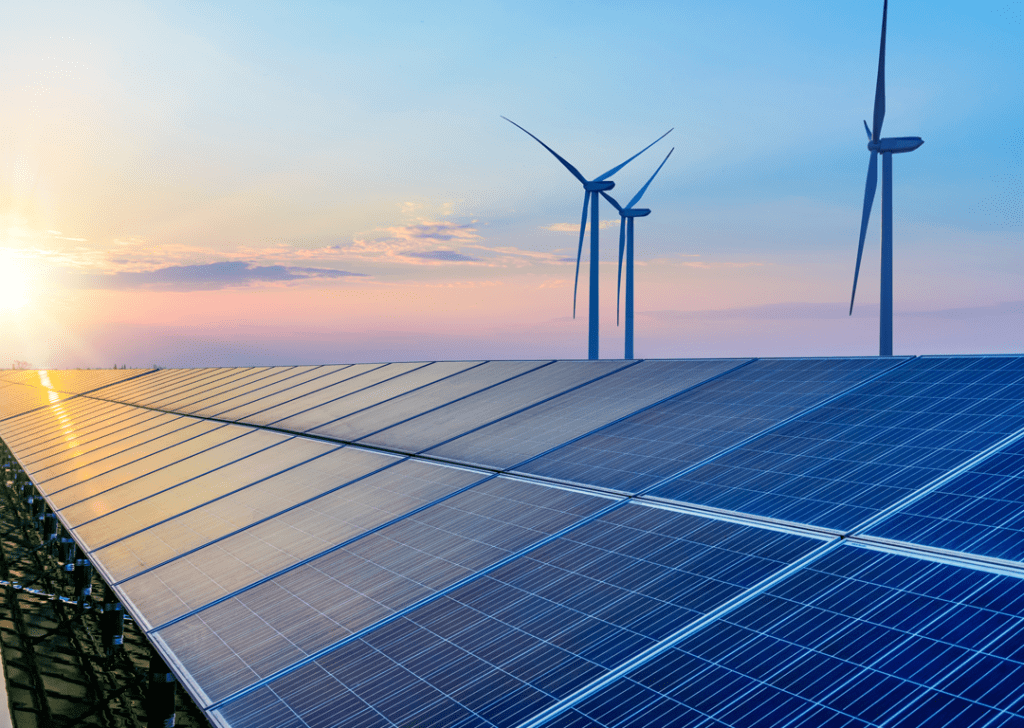
You may be considering solar PV for your home but want to know a bit more about what the installation process actually involves. This is a short guide about installing solar PV on your roof. Installations take place after your roof has been surveyed and you have confirmed the specifications of your package.
All installers working to the government guidelines for safe working practices in construction and in people’s homes.
More Info
01. How many people does it take?
The winning installer will typically send between two and four installers to fit the solar PV system – a minimum team is one roofer and one electrician. The installer will be responsible for making sure your installation is completed on time and to our high standards. They’ll also be able to explain the system to you and answer any questions.
02. How long will it take?
Most installations can be completed in one to two days. Scaffolding will be put up and taken down several days before and after the installation. If the installation is likely to take longer than this, the installer will let you know beforehand.
03. Do you need to do anything?
As the inverters for the solar PV system typically need to go in your loft space, you will need to make sure your loft is accessible and free of clutter. You can discuss this with the installer during your roof survey. Additionally, you will need to give the installer access to the spaces they need to work in – both inside and outside. They will also need access of your electricity supply, water and toilet. Any disruption will be kept to a minimum and installers will tidy up before they leave.
It is also likely that you will need your WiFi access password if you would like the installer to set up your system monitoring for you on the day.
04. What goes on your roof?
There are a few main components that make up the system that will be installed on your roof. These are:
Solar panels
The average size of a panel is 1.6 x 1m and they typically weigh between 15 and 30kg depending on the size and manufacturer. You will be able to check the specifications of your panels in your personal recommendation.
Roof anchors
These are the stainless-steel hooks that screw into the rafters of your roof, forming a base for the mounting system. The roof anchors are hidden from view once the panels have been fixed onto the roof but are nonetheless a crucial part of your system.
Mounting frame
The frame is made up of two parallel aluminium bars or rails for each row of panels. The rails are attached to the roof anchors using a specially engineered locking system to ensure there’s no movement, then the panels are mounted on top and attached by clamps.
Clamps
Clamps hold the panels onto the frame. There are two types: end-clamps and mid-clamps. End-clamps are used at the end of a row of panels fixing the last one in place, while mid-clamps sit between two panels and ensure they’re spaced evenly.
05. What goes inside your house?
There are a few main components that make up the system that will be installed inside your home. These are:
Inverter
The inverter is typically installed in your loft near the main panel array. Inverters are more efficient if kept in a cooler place. Your loft space, a garage or a utility room are usually the best places since they stay cool for most of the year and have ventilation.
Power diverter
If you have an immersion heater you may agree with your installer that you want a power diverter. These are usually placed on a wall and connect the inverter to the power supplier. They manage the flow of surplus electricity by diverting it directly into your immersion heater, making the most of the electricity generated by your solar PV system.
Battery storage
We offer AC coupled batteries that are typically installed inside. Their physical size increases with their storage capacity.
In-home monitoring
In-home monitoring is included with every installation and helps you track the performance of your solar PV system. You will be able to remotely connect to the system via a device that uses the same Wi-Fi, such as a smartphone or tablet.