
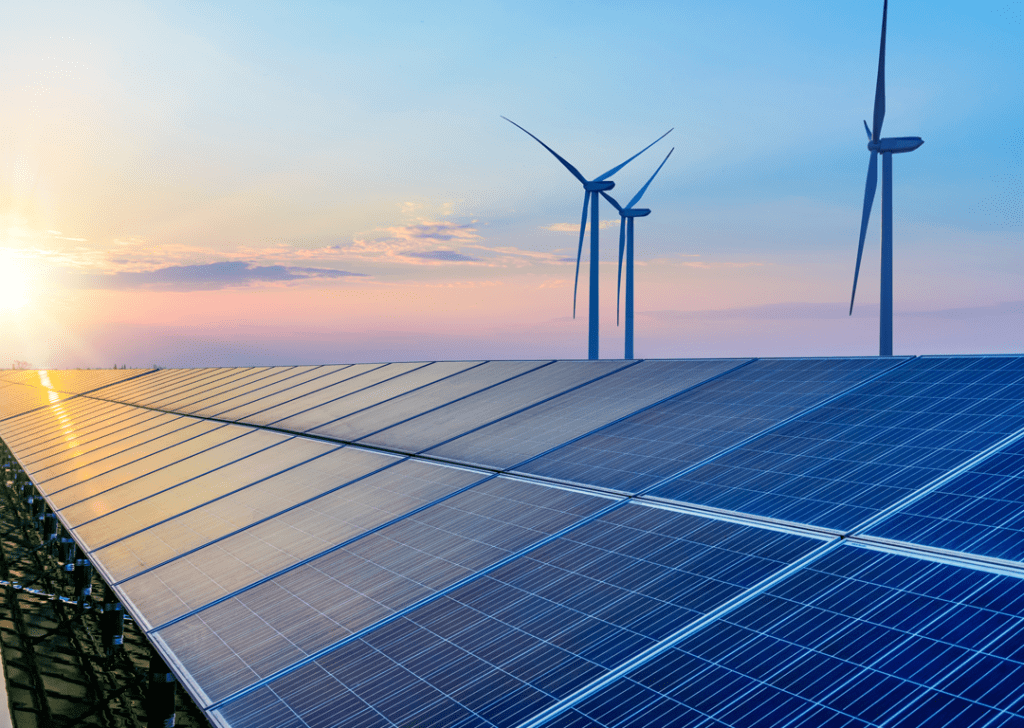
Solar panels turn sunlight into electricity through the photovoltaic (PV) effect, which is why they’re often referred to as PV panels.
The photovoltaic effect occurs when photons from the sun’s rays hit the semiconductive material (typically silicon) in the cell of the solar module. The photons activate electrons, causing them to free themselves from the semiconductive material.
How does solar PV work?
01. Turning sunlight into electricity
During sunny days the solar panels will produce more electricity than you are able to use. Unused electricity is exported to the national grid, unless you have got a power diverter or battery installed, meaning you will store currently unused electricity for consumption at a later time. At other times you will use more energy than your solar panels generate. You will then use electricity from the national grid – just like you do now.
02. How much electricity does a solar panel produce?
03. Watt peak (Wp) and kilowatt-hour (kWh)
Optimal conditions for solar panels are in a location that is south-facing and shade-free, under these conditions a system in the UK will generate approximately 90% of its Watt peak power.
04. Taking the shady and cloudy days into account
If you are not sure whether this applies to you, the installer will be able to advise on the best system for you at the survey stage. In the event that you decide to add optimisation to your panels and the surveys show you don’t need it the installer will remove this from your price.
The British weather can be unpredictable at the best of times, but that doesn’t mean that your solar panels won’t work during the winter months or on cloudy days.